
Loading...


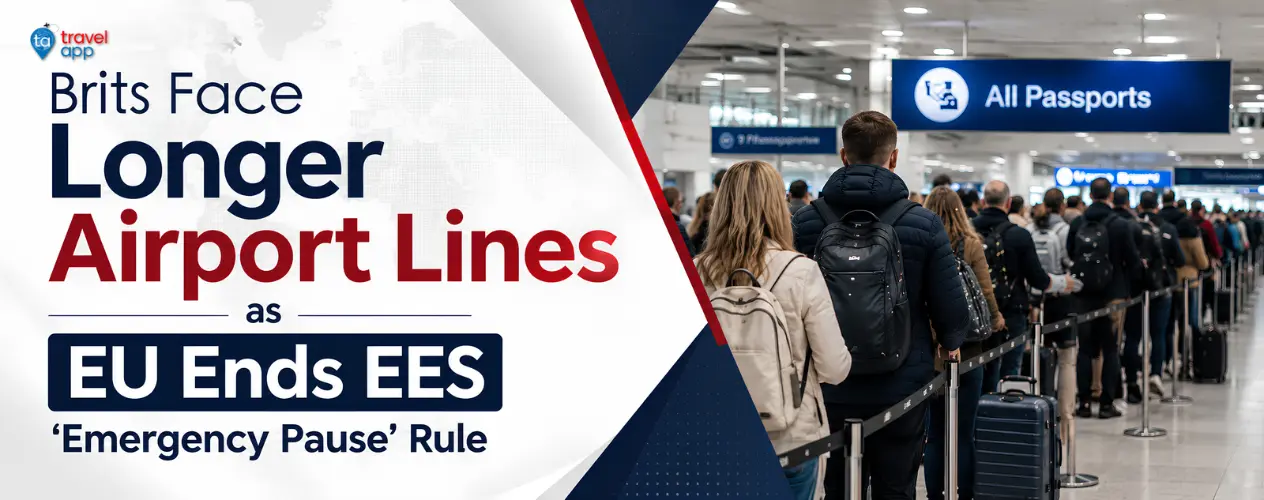
UK travellers heading to Europe could face longer waits at border control from 7 September, when temporary flexibility allowing airports to pause some Entry/Exit System (EES) checks is due to end.
The EU Entry/Exit System (EES) is already fully operational across the 29 European countries using the system. It records the travel document details and biometric information of non-EU nationals visiting the Schengen area for short stays, replacing traditional passport stamping with digital records. The European Commission's official EES guidance confirms that the system became fully operational on 10 April 2026.
During the summer rollout, European border authorities have had limited flexibility to temporarily pause EES checks when passenger queues became particularly difficult to manage. Airports in several countries have experienced delays and disruption, raising concerns about what could happen when that flexibility ends.
From 7 September, the temporary arrangements are due to expire, meaning travellers should be prepared for EES checks to continue during busy periods. Recent reports have highlighted concerns from airlines and airports about potential delays if the measures are not extended.
British passport holders travelling to the Schengen area may need to provide their passport details, fingerprints and a facial image as part of the registration process. There is no separate EES application or fee. Registration takes place at the border.
The UK Government has advised British travellers to allow additional time for border checks. GOV.UK guidance on the EES also explains that some UK nationals, including certain people legally resident in EU and associated countries, may be exempt.
Popular destinations including France, Spain, Italy, Portugal and Greece are among the countries covered by EES. Ireland and Cyprus do not operate the system because they are outside the Schengen Area.
Travellers using Eurostar, Eurotunnel or the Port of Dover may complete EES checks before leaving the UK, depending on their route and border arrangements.
The European Commission confirms that certain travellers with qualifying residence permits or long-stay visas are not registered in EES. Its latest guidance on EES exemptions explains which categories are excluded.
UK travellers planning European holidays this autumn should allow extra time for border control and check the latest requirements before travelling.
The key point is that EES itself is not starting on 7 September. It has been fully operational since April. The change is the expected end of temporary flexibility that has allowed some border authorities to pause checks when queues become difficult to manage.
For the latest news, information and travel hacks, read Travelapp Blogs.




