Loading...


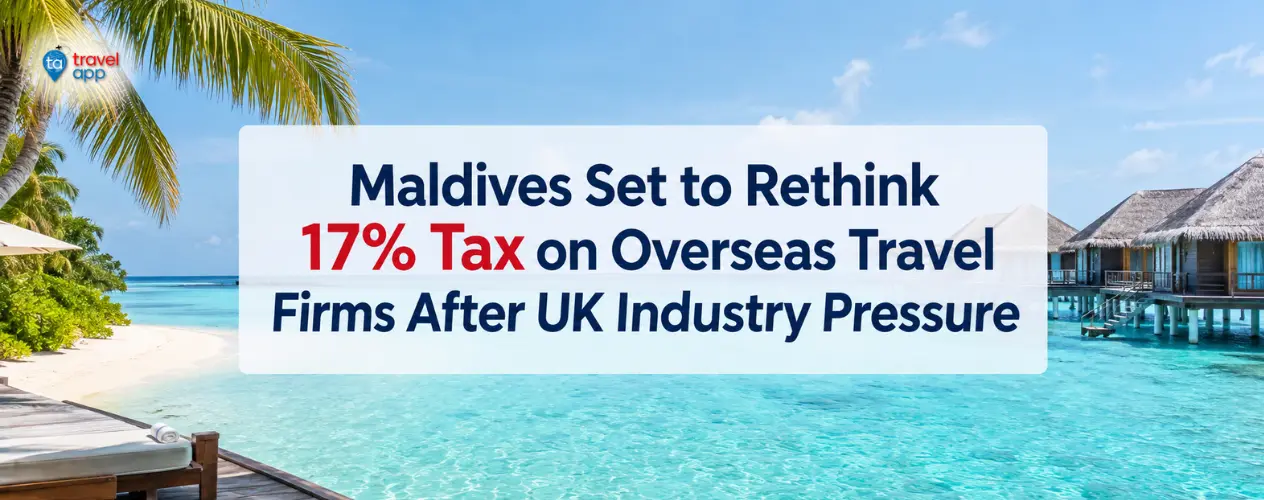
The Maldives is set to change course on a controversial 17% tourism tax on overseas travel companies after strong pressure from the international travel industry, including UK trade body ABTA.
The tax, known as Tourism Goods and Services Tax (TGST), took effect on 1 October 2026. It applies to foreign tour operators, travel agents and online booking platforms that sell Maldives holidays without having a business base in the country.
Speaking at a Maldives Tourism Day event on Saturday 3 October, Tourism and Civil Aviation Minister Mohamed Ameen said President Mohamed Muizzu had decided to amend the law after concerns from industry stakeholders and overseas travel companies.
The minister did not give details of the changes or say when they would be made. Some Maldivian media reported that the tax on overseas travel firms would be postponed until 1 April 2027, but this has not yet been formally confirmed.
The tax comes from an amendment to the Maldives Goods and Services Tax Act, which was ratified on 31 August 2026. It extends the existing 17% tourism tax rate to tourism products sold by overseas businesses, including UK tour operators and travel agents.
The travel industry raised several concerns:
No warning or consultation: the tax was introduced about a month before it took effect, without consultation with the international travel industry.
Bad timing: it started just as the peak winter sun holidays season began, when many holidays had already been priced and sold.
Unclear rules: it was not clear how the tax would apply to travel agents or to holidays booked before 1 October.
According to the Maldives Independent, ABTA wrote to the tourism minister on 27 August urging the government to pause the tax and consult the industry. ABTA later wrote to the Maldives President. European and Indian travel associations also called for a delay.
ABTA says it is now seeking formal confirmation of the postponement and next steps, because the law technically came into force on 1 October.
Susan Deer, ABTA's industry relations director, said the association had worked behind the scenes, including with the UK's High Commissioner, to raise members' concerns. She described the reported postponement as "a positive development".
ABTA added that the situation remains difficult for UK travel businesses until there is official confirmation and proper engagement between the government and the industry.
The tax is charged to travel companies, not directly to holidaymakers. However, the industry warned it could push up the cost of Maldives holidays sold by UK operators.
If the tax is postponed or changed, holiday prices for this winter should be less affected. Until the government confirms the details, here's what to keep in mind:
Already booked? If you booked a package holiday with a UK operator, the price you agreed is usually protected. Check your booking terms if you're told about any surcharge.
Booking now? Compare prices across operators. The Maldives is a peak winter sun destination, and offers can change quickly.
Before you travel: check the latest UK government travel advice for the Maldives for entry requirements.
According to Minister Ameen, the Maldives welcomed a record 2.25 million visitors in 2025 and reached its one millionth visitor of 2026 on schedule, despite disruption to international air travel.
The country is now preparing for Visit Maldives Year 2027. Its tourism masterplan aims to bring digital and AI technology into the industry, and the minister said he wants the benefits of tourism to reach communities across the Maldives. Before booking a Maldives Holidays packages, check the latest tax position. Contact TravelApp and our travel team can guide you through flights, hotels and package options, helping you compare the total cost before you book.
TravelApp will update this story when the Maldives government confirms the next steps.
For the latest news, information, and travel hacks, read Travelapp Blogs.